RAPRIMA Tempeh Starter Culture
Make fresh, homemade tempeh with authentic RAPRIMA tempeh starter from Indonesia.
RAPRIMA is a dried starter culture made from rice flour inoculated with Rhizopus oligosporus. During fermentation, the culture develops the characteristic white mycelium that binds beans or grains together into firm, traditional tempeh.
Why RAPRIMA?
Authentic Indonesian tempeh starter
Made with Rhizopus oligosporus
Rice-flour carrier
Non-GMO
Contains no animal products
Vegetarian and vegan friendly
Available in sizes from ½ oz to 16 oz
Use RAPRIMA to make traditional soybean tempeh or experiment with chickpeas, rice, barley, other beans and grains.
How much starter do I need?
There are approximately 6 teaspoons of starter per ounce. Our basic recipe uses about ¾ teaspoon of starter for 2 cups of dried soybeans.
That means a little starter goes a long way. Choose a smaller package if you're experimenting with homemade tempeh for the first time, or a larger size if you make tempeh regularly.
What is tempeh?
Tempeh is a traditional Indonesian fermented food most commonly made from soybeans. During fermentation, the culture produces white mycelium that binds the beans together into a firm cake.
Although soybeans are traditional, tempeh can also be made using other beans and grains.
How to Make Tempeh
Ingredients
2 cups dried soybeans
¾ teaspoon RAPRIMA tempeh starter
4 tablespoons apple cider vinegar
2 quart-size plastic bags with holes approximately ½–1 inch apart
Food thermometer
Instructions
Soak the soybeans overnight, or for at least 8 hours.
Rinse the beans and cover with fresh water by at least one inch.
Bring to a simmer and cook for 30–60 minutes, until the beans begin to soften. Add water as necessary to keep them covered.
Add the apple cider vinegar and continue cooking until the beans are soft.
Drain thoroughly. Allow the beans to dry and cool to approximately body temperature. They should feel dry to the touch without being dried out.
Add the tempeh starter and mix thoroughly.
Divide the beans between the prepared bags in layers approximately 1–1½ inches thick.
Incubate at 85–91°F for approximately 24–48 hours. Monitor the temperature inside the beans with a food thermometer. After approximately 12 hours, fermentation will begin generating its own heat, so you may need to reduce or eliminate your external heat source.
Your tempeh is ready when the beans have formed a firm mass covered in white mycelium.
Storing Prepared Tempeh
Store finished tempeh in the refrigerator for up to one week or freeze for longer storage.
Storing Your RAPRIMA Starter
Keep unused starter sealed in a glass or plastic container or zip-top bag in the refrigerator. For longer-term storage, keep it tightly sealed in the freezer.
Shipping
Orders ship via USPS with tracking.
International Orders
Buyers are responsible for confirming that tempeh starter cultures may be imported into their destination country and for any applicable customs duties, taxes, quarantine requirements, or other import charges. We cannot be responsible for shipments delayed, refused, or destroyed by customs because of destination-country import restrictions.
Food Safety & Returns
Because this is a food and fermentation product, we cannot accept returns for food-safety and hygiene reasons. If there is a problem with your order, please contact us so we can help.
RAPRIMA Tempeh Starter Culture
Make fresh, homemade tempeh with authentic RAPRIMA tempeh starter from Indonesia.
RAPRIMA is a dried starter culture made from rice flour inoculated with Rhizopus oligosporus. During fermentation, the culture develops the characteristic white mycelium that binds beans or grains together into firm, traditional tempeh.
Why RAPRIMA?
Authentic Indonesian tempeh starter
Made with Rhizopus oligosporus
Rice-flour carrier
Non-GMO
Contains no animal products
Vegetarian and vegan friendly
Available in sizes from ½ oz to 16 oz
Use RAPRIMA to make traditional soybean tempeh or experiment with chickpeas, rice, barley, other beans and grains.
How much starter do I need?
There are approximately 6 teaspoons of starter per ounce. Our basic recipe uses about ¾ teaspoon of starter for 2 cups of dried soybeans.
That means a little starter goes a long way. Choose a smaller package if you're experimenting with homemade tempeh for the first time, or a larger size if you make tempeh regularly.
What is tempeh?
Tempeh is a traditional Indonesian fermented food most commonly made from soybeans. During fermentation, the culture produces white mycelium that binds the beans together into a firm cake.
Although soybeans are traditional, tempeh can also be made using other beans and grains.
How to Make Tempeh
Ingredients
2 cups dried soybeans
¾ teaspoon RAPRIMA tempeh starter
4 tablespoons apple cider vinegar
2 quart-size plastic bags with holes approximately ½–1 inch apart
Food thermometer
Instructions
Soak the soybeans overnight, or for at least 8 hours.
Rinse the beans and cover with fresh water by at least one inch.
Bring to a simmer and cook for 30–60 minutes, until the beans begin to soften. Add water as necessary to keep them covered.
Add the apple cider vinegar and continue cooking until the beans are soft.
Drain thoroughly. Allow the beans to dry and cool to approximately body temperature. They should feel dry to the touch without being dried out.
Add the tempeh starter and mix thoroughly.
Divide the beans between the prepared bags in layers approximately 1–1½ inches thick.
Incubate at 85–91°F for approximately 24–48 hours. Monitor the temperature inside the beans with a food thermometer. After approximately 12 hours, fermentation will begin generating its own heat, so you may need to reduce or eliminate your external heat source.
Your tempeh is ready when the beans have formed a firm mass covered in white mycelium.
Storing Prepared Tempeh
Store finished tempeh in the refrigerator for up to one week or freeze for longer storage.
Storing Your RAPRIMA Starter
Keep unused starter sealed in a glass or plastic container or zip-top bag in the refrigerator. For longer-term storage, keep it tightly sealed in the freezer.
Shipping
Orders ship via USPS with tracking.
International Orders
Buyers are responsible for confirming that tempeh starter cultures may be imported into their destination country and for any applicable customs duties, taxes, quarantine requirements, or other import charges. We cannot be responsible for shipments delayed, refused, or destroyed by customs because of destination-country import restrictions.
Food Safety & Returns
Because this is a food and fermentation product, we cannot accept returns for food-safety and hygiene reasons. If there is a problem with your order, please contact us so we can help.
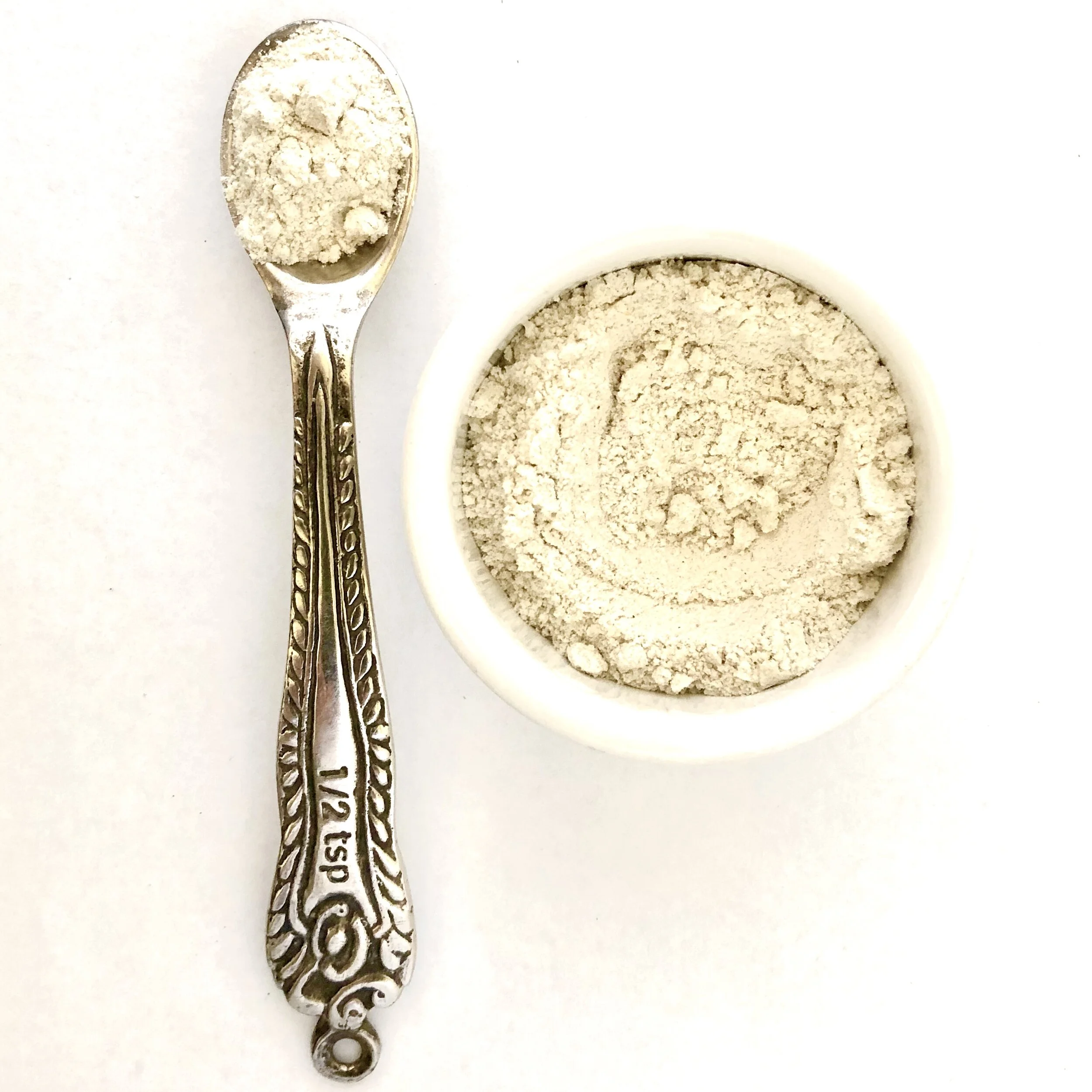 Image 1 of 7
 Image 2 of 7
 Image 3 of 7
 Image 4 of 7
 Image 5 of 7
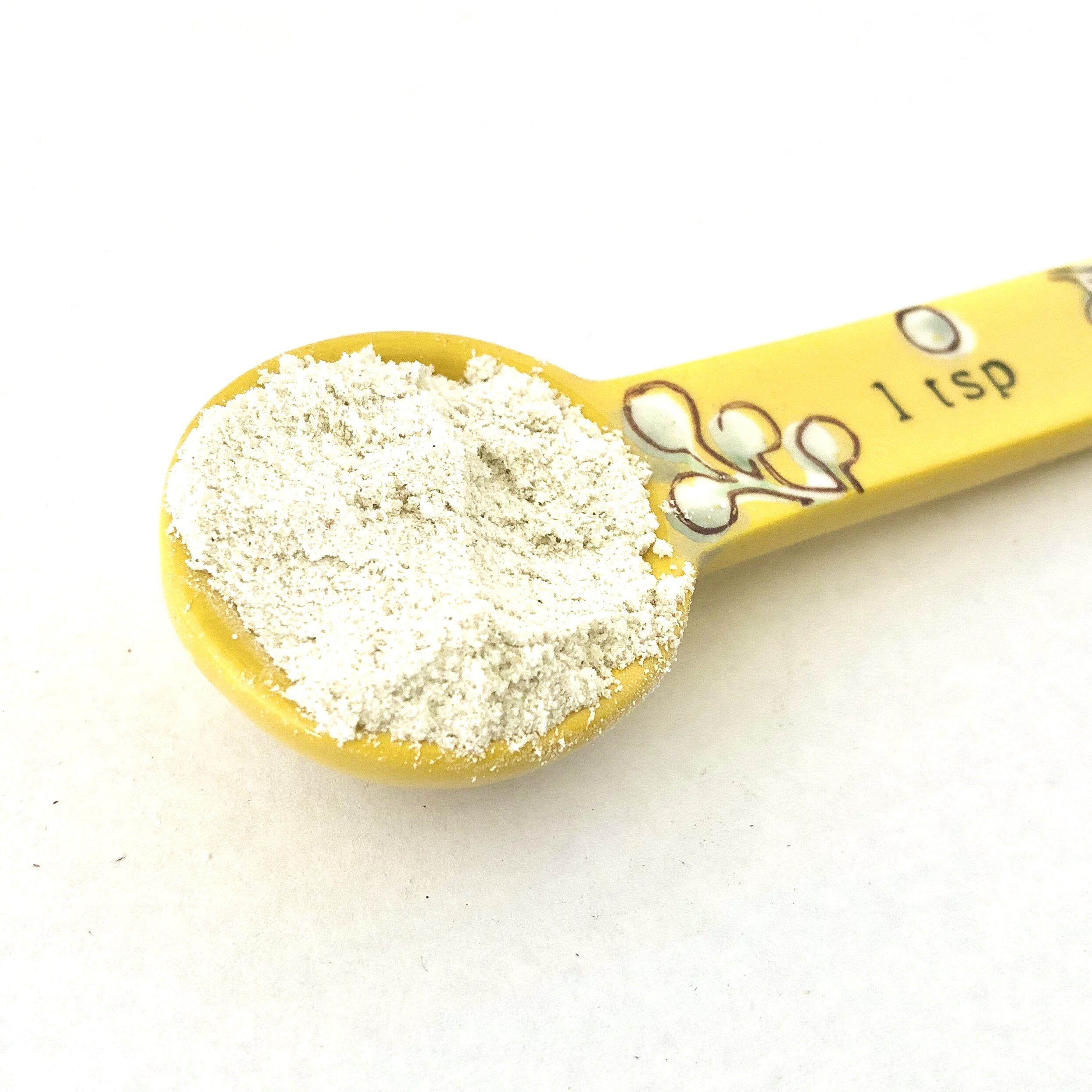 Image 6 of 7
 Image 7 of 7